Power the Systems Behind Industry
About Electromechanical Technology
Electromechanical Technology and Electrical Construction prepare students for careers working with electrical systems, automation, industrial controls, and modern technology-driven equipment.
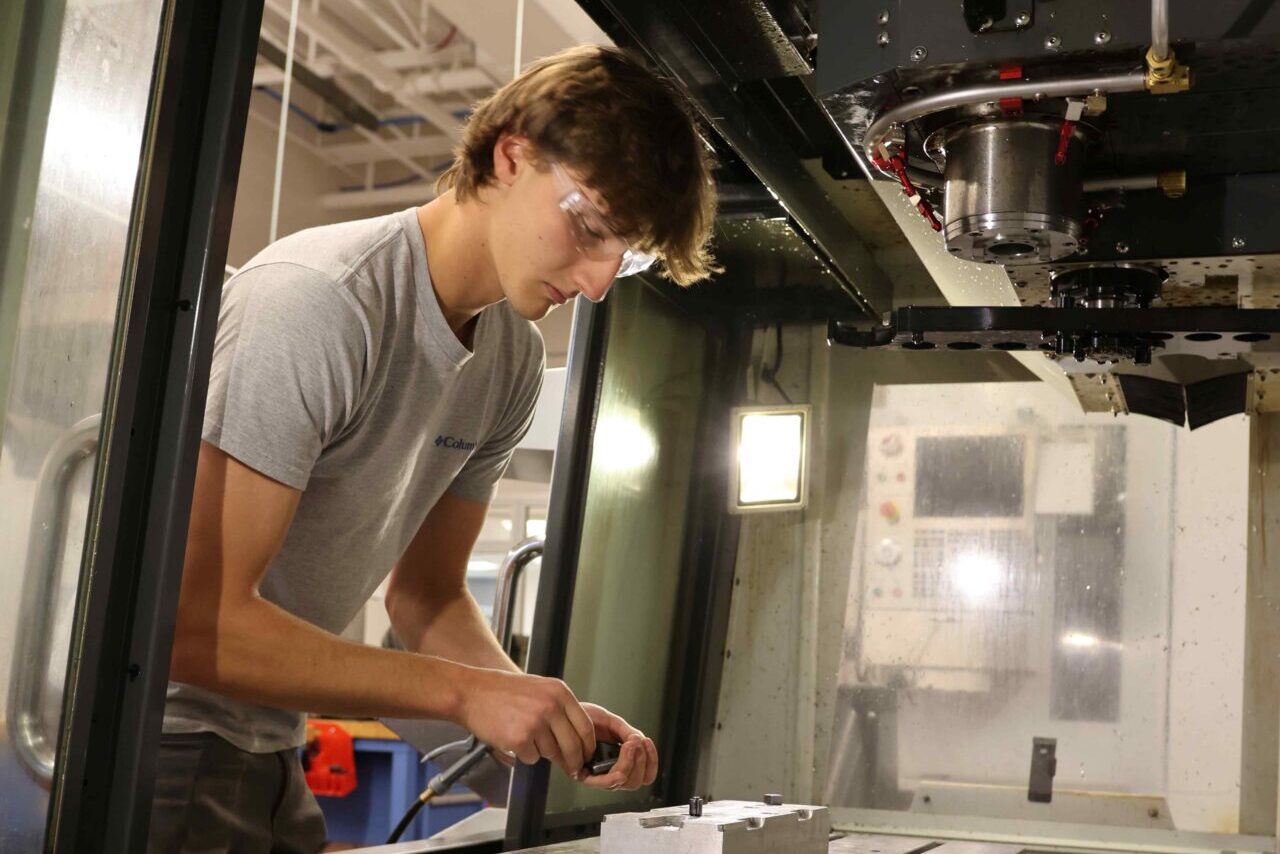
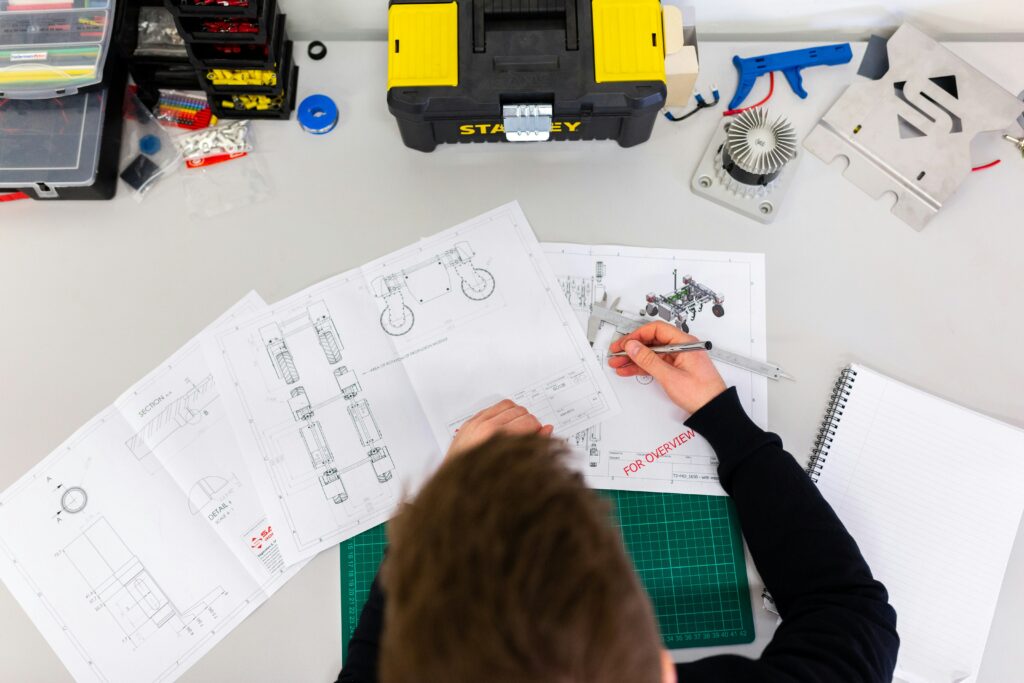
At CMCC, students develop hands-on technical skills in electricity, electronics, robotics, programmable controls, automation systems, and process measurement while learning how complex industrial and electrical systems are installed, maintained, and operated. Coursework combines theory with applied lab experiences designed to prepare students for rapidly evolving technical fields.
Students can choose between the Electrical Construction certificate, which focuses on foundational electrical skills and the pathway toward electrical licensure, or the Electromechanical Technology associate degree, which expands into advanced industrial systems, robotics, automation, and process control technologies.
Where Technology Meets Industry
Where Graduates Work
Graduates of the Electromechanical Technology and Electrical Construction programs work in manufacturing facilities, electrical contracting companies, industrial plants, utilities, automation and robotics environments, maintenance departments, and technology-driven production settings supporting modern electrical and industrial systems.





Built for High-Tech Industry
Start Your Electrical Career
Frequently Asked Questions
What is the difference between the Electrical Construction certificate and the Electromechanical Technology degree?
The Electrical Construction certificate focuses on foundational electrical skills, wiring methods, electrical controls, and preparation for work as an electrician helper while supporting the pathway toward electrical licensure. The Electromechanical Technology associate degree expands into advanced industrial systems such as robotics, automation, electronics, programmable controls, process measurement, and industrial troubleshooting.
Does this program help prepare students for electrical licensing?
Yes. The Electrical Construction certificate and Electromechanical Technology degree both support the pathway toward electrical licensure in Maine. Students in the Electromechanical Technology program are encouraged to complete National Electrical Code coursework and apply for the appropriate licensing and work experience requirements established by the Maine Electrician’s Examining Board.
What kinds of technology will I work with in the program?
Students work with electrical systems, programmable logic controllers (PLCs), robotics, motor controls, industrial automation systems, measurement equipment, electronics, and troubleshooting tools commonly used in manufacturing and industrial environments.
Is this program more focused on residential electrical work or industrial technology?
While students develop foundational electrical skills that apply across the electrical field, the Electromechanical Technology degree has a strong focus on industrial systems, automation, controls, robotics, and advanced manufacturing technologies. Students interested in modern industrial environments and automated systems often pursue the associate degree option.
Related Programs
Your Future at CMCC
Take the Next Step