About Heating, Ventilation, Air Conditioning & Refrigeration
HVAC/R prepares students for careers working with heating, ventilation, air conditioning, and refrigeration systems.
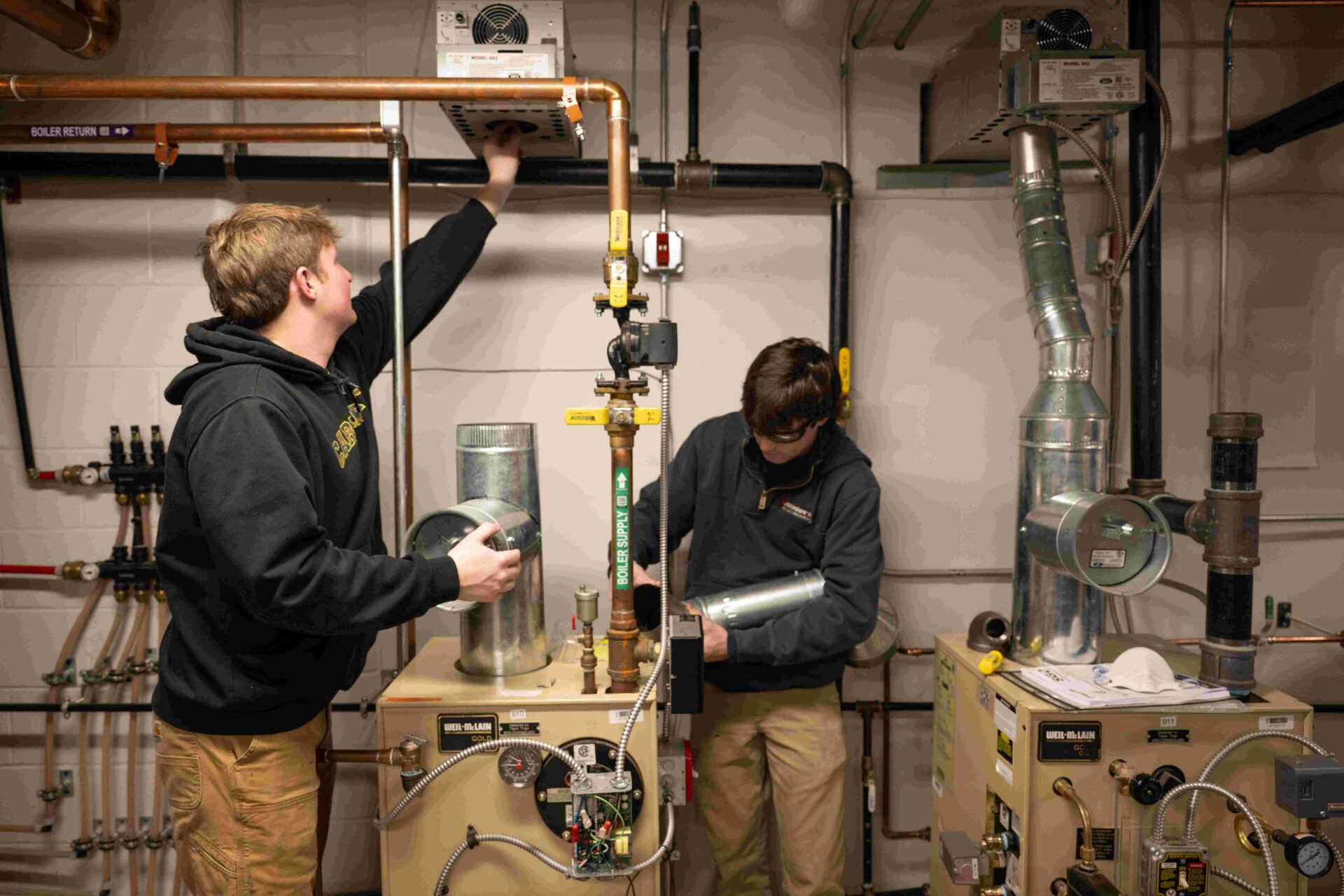
At CMCC, you’ll gain hands-on experience installing, maintaining, and troubleshooting residential and light commercial systems while learning industry standards, safety practices, and system design. The program emphasizes technical problem-solving and includes practical field experience.
Students can earn a one-year HVAC/R certificate along the way or complete the associate degree. Certificate completers are prepared to earn EPA 608 Universal Certification, while degree graduates build broader system knowledge and, with additional experience, become eligible to sit for State of Maine licensure exams in oil, propane, and natural gas systems.
The Road Ahead
Start Your HVAC/R Career
The HVAC/R industry continues to see strong demand for skilled professionals as heating, cooling, and refrigeration systems require installation, maintenance, and repair in residential and commercial settings. Employers are looking for individuals with hands-on training, technical troubleshooting skills, and an understanding of system performance, and graduates are prepared to enter the workforce and advance in the field.
Where Graduates Work
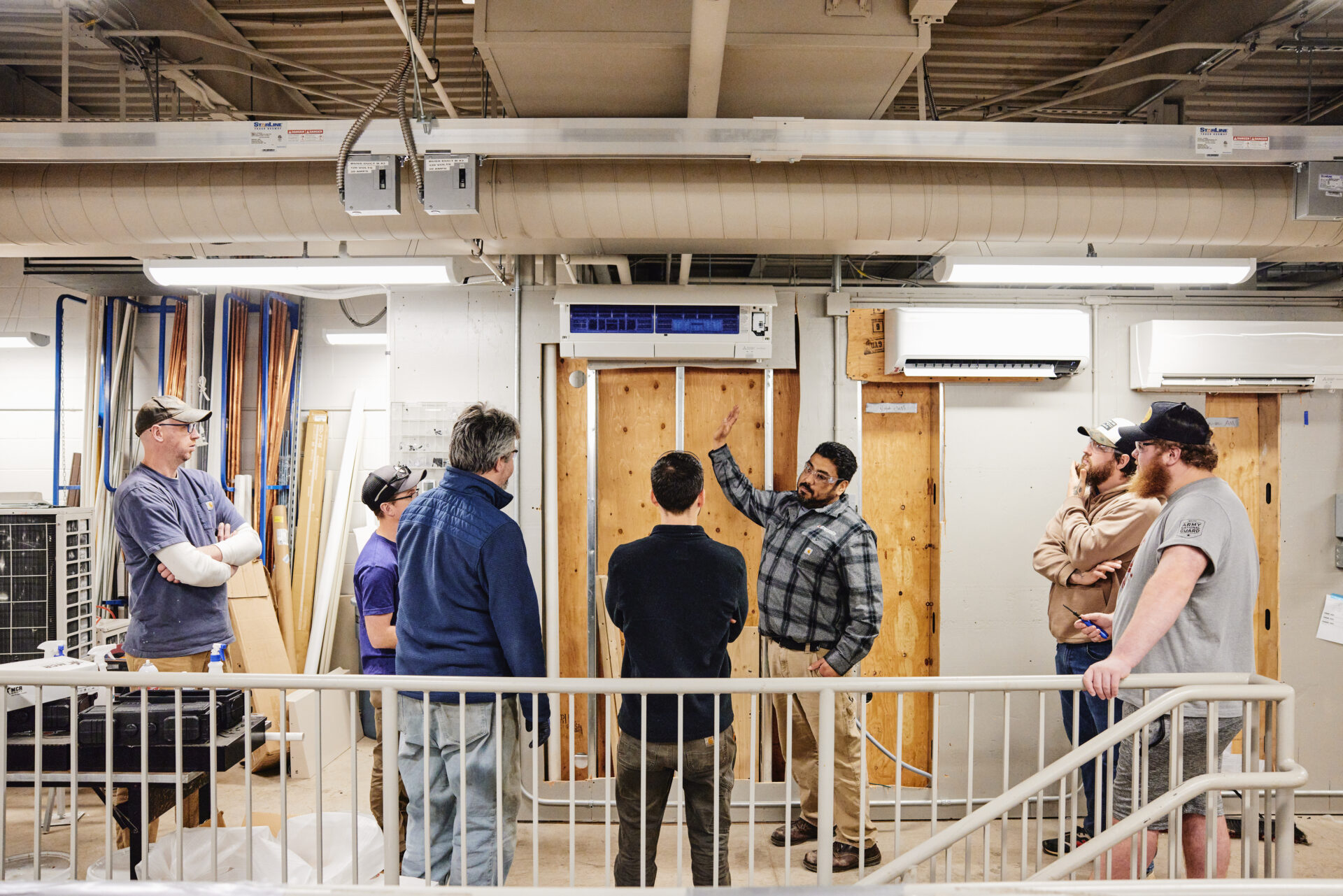
Graduates of the HVAC/R program enter the workforce as skilled technicians, pursuing careers with HVAC contractors, mechanical companies, refrigeration service providers, and maintenance operations.
Frequently Asked Questions
What is the difference between the HVAC/R certificate and the associate degree?
The one-year HVAC/R certificate provides foundational training and prepares students to earn EPA 608 Universal Certification, allowing them to begin working with refrigeration systems. The associate degree builds on this foundation with expanded training in heating, air conditioning, and refrigeration systems, along with field experience and advanced troubleshooting skills that support long-term career growth.
Do I need to complete the certificate before enrolling in the associate degree?
No, students can enroll directly in the associate degree program. The certificate is embedded within the first year of the degree, so students may earn it along the way, but it is not required as a separate step.
What certifications or licenses can I earn through this program?
Students who complete the program are prepared to earn EPA 608 Universal Certification, which is required to work with refrigerants. With additional experience, graduates of the associate degree may also become eligible to sit for State of Maine licensure exams in oil, propane, and natural gas systems.
What types of work will I be prepared to do after completing the program?
Graduates are prepared to install, maintain, and troubleshoot heating, air conditioning, and refrigeration systems in residential and commercial settings. They pursue careers with HVAC contractors, mechanical companies, refrigeration service providers, and maintenance operations, with opportunities to advance into specialized or supervisory roles over time.
Your Future at CMCC
Take the Next Step