Manufacture the Future
About Precision Machining Technology
Precision Machining Technology prepares students for careers in advanced manufacturing through hands-on training in machining, CNC technology, precision measurement, and modern production systems.
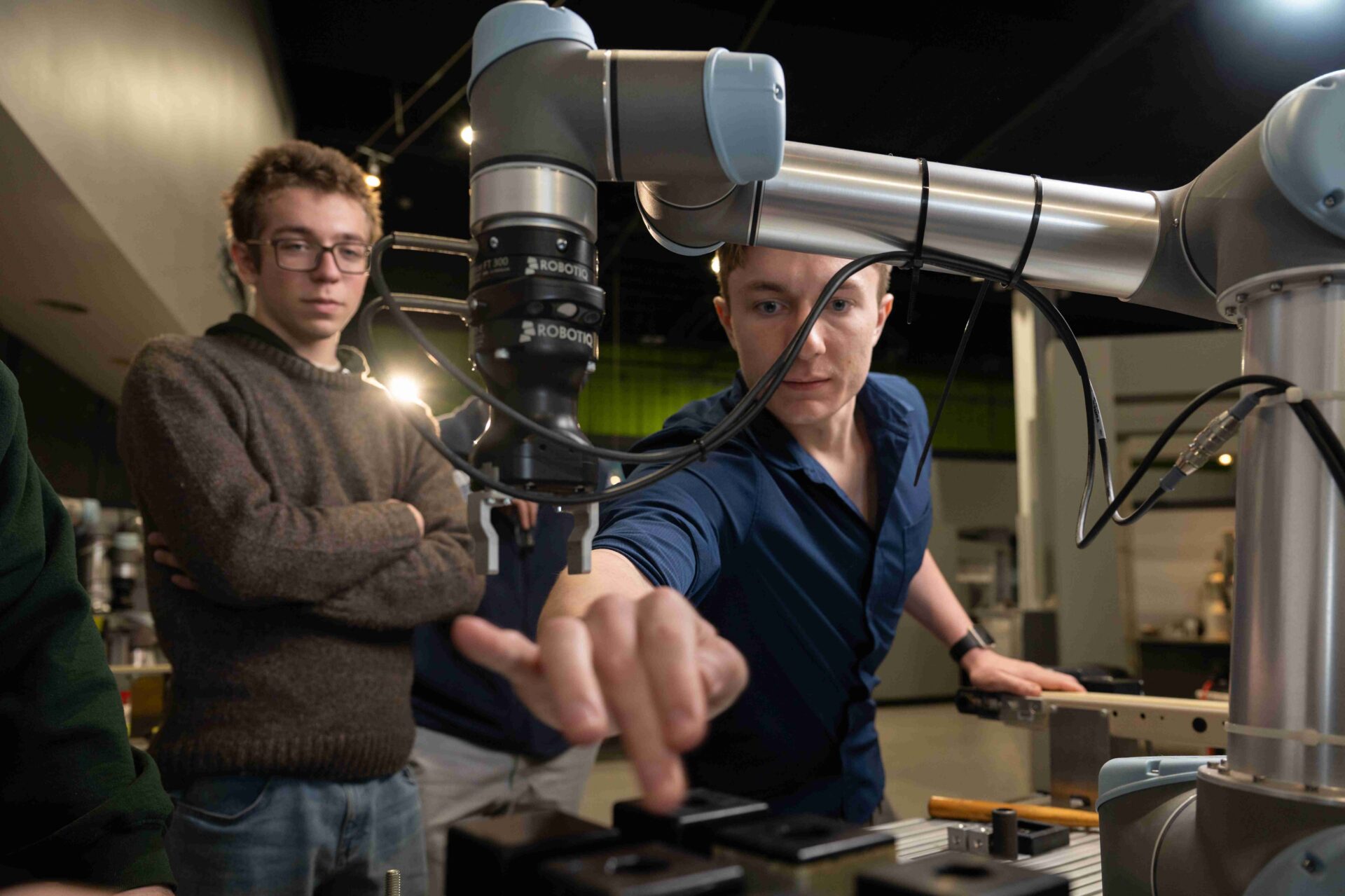
At CMCC, students develop technical skills in conventional and computer-controlled machining while learning how precision components are designed, produced, measured, and inspected within today’s manufacturing environments. Coursework combines practical shop experience with blueprint reading, CNC programming, tooling, and manufacturing technologies used across a wide range of industries.
Students can begin with the one-year Precision Machining certificate, continue into the associate degree program, and expand into advanced manufacturing technologies through the PMT Advanced Certificate focused on multi-axis CNC machining, advanced CAM programming, live tooling systems, and 3D solid modeling.
Built for the Shop Floor
Where Graduates Work
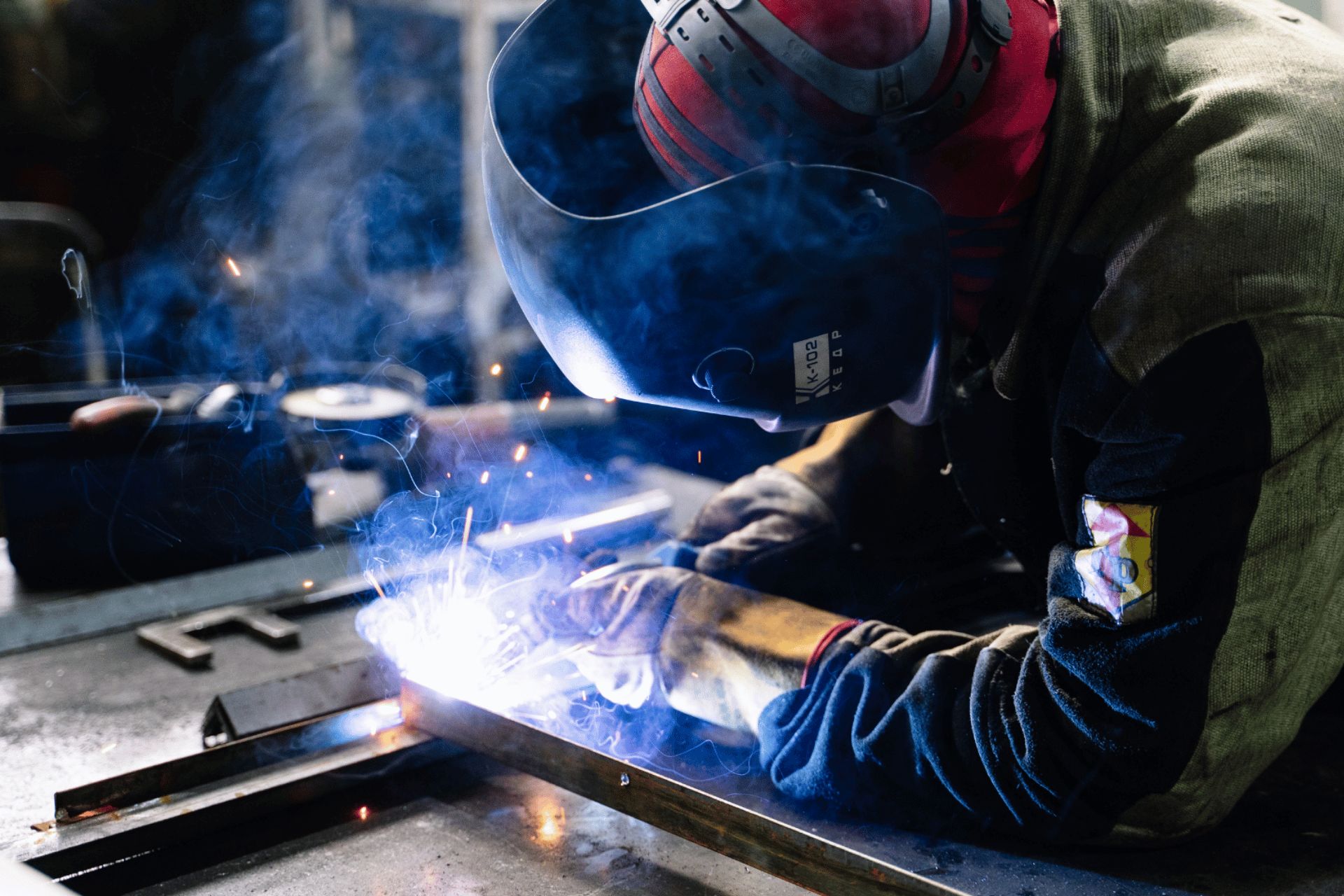
Graduates of the Precision Machining Technology program enter the workforce as skilled machinists, working in manufacturing, production, and advanced machining environments.



Frequently Asked Questions
What is the difference between the Precision Machining certificate, associate degree, and PMT Advanced Certificate?
The one-year Precision Machining certificate introduces students to machining fundamentals, CNC operations, blueprint reading, and precision measurement while serving as the first year of the associate degree program. The Precision Machining Technology associate degree expands into advanced manufacturing processes, CNC programming, tooling, and production technologies. The PMT Advanced Certificate is designed for graduates or experienced machinists seeking advanced training in multi-axis machining, CAM programming, live tooling systems, and 3D solid modeling.
What kinds of equipment and technology will I work with in the program?
Students work with conventional machining equipment, CNC mills and lathes, precision measurement tools, CAD/CAM software, and advanced manufacturing technologies used in modern production environments. Advanced certificate students also gain experience with multi-axis CNC equipment, live tooling systems, and complex machining setups.
Is precision machining still a strong career field?
Yes. Modern manufacturing relies heavily on highly skilled machinists and CNC technicians capable of operating advanced production equipment, interpreting technical drawings, and maintaining precision standards. Precision machining skills are used across industries, including aerospace, defense, medical manufacturing, automotive, and advanced industrial production.
What is multi-axis machining and why is it important?
Multi-axis machining involves CNC equipment capable of moving and cutting along multiple axes simultaneously to produce complex precision components. These advanced systems improve efficiency, accuracy, and production capability and are commonly used in high-precision manufacturing industries.
Related Programs

Your Future at CMCC
Take the Next Step