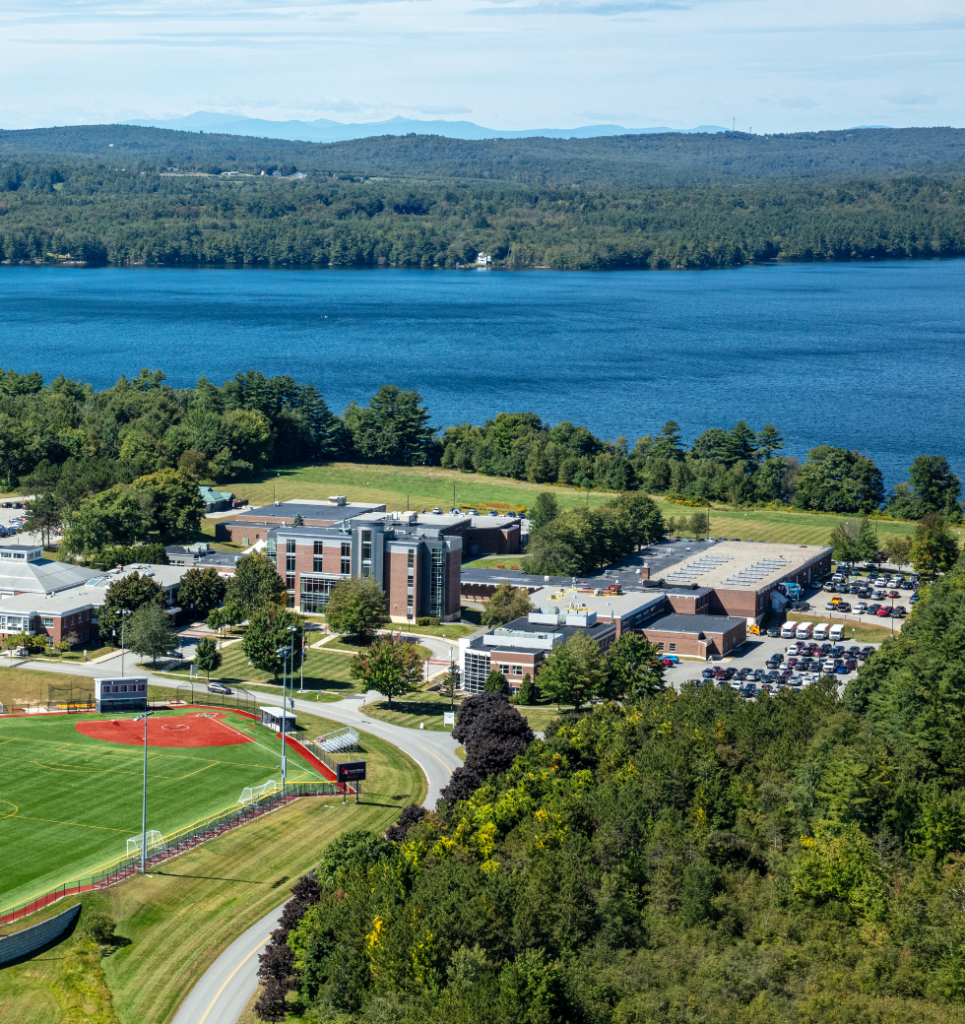
About Forensic Science
Forensic Science prepares students for careers in crime scene investigation through hands-on training in evidence collection and analysis.
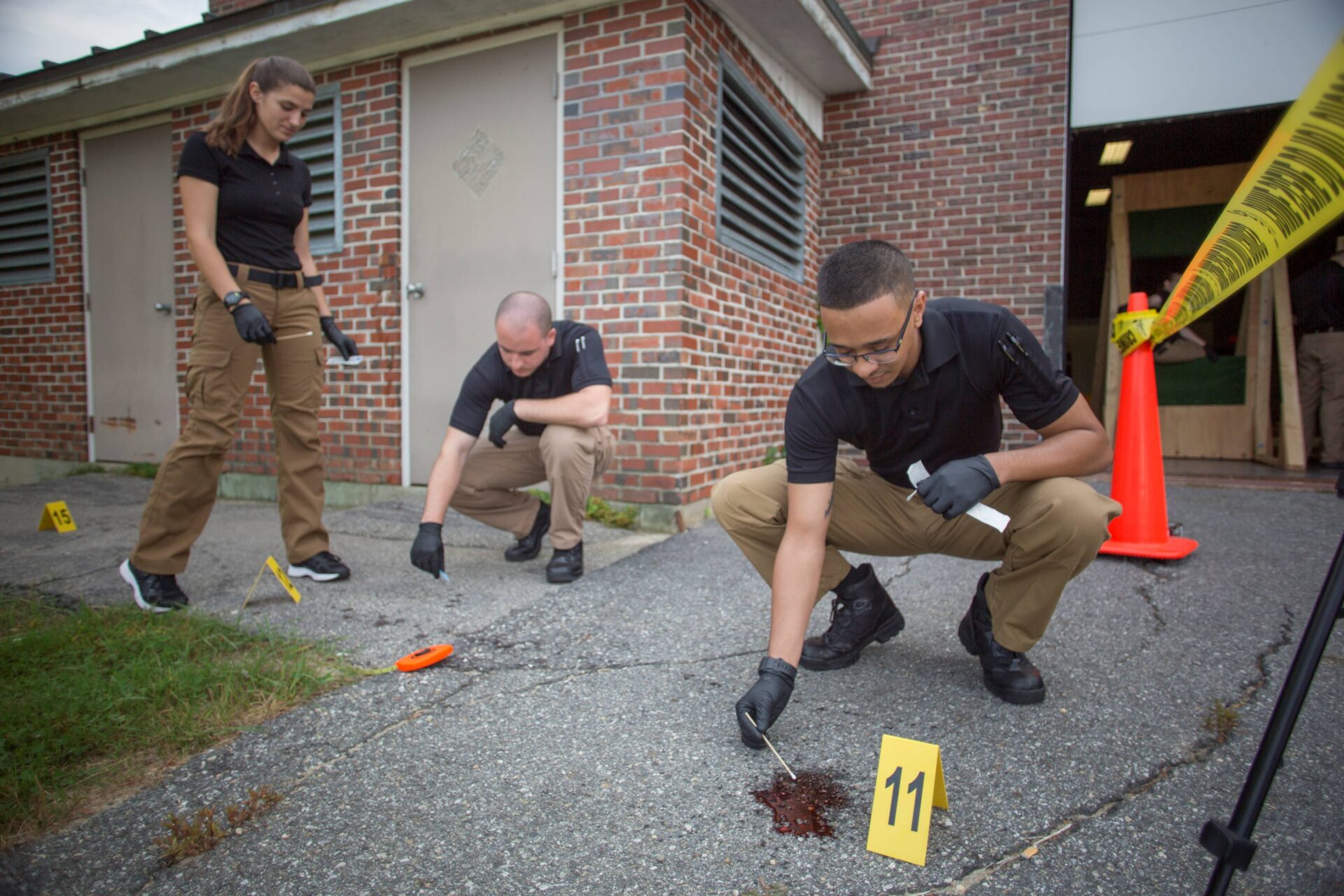
At CMCC, you’ll develop skills in photographing crime scenes, collecting and analyzing physical evidence, and applying scientific principles from biology and chemistry to real-world investigations. The program emphasizes accuracy, documentation, and investigative techniques used in the field.
Graduates are prepared to enter careers in forensic and criminal justice settings, including roles in crime scene investigation, evidence processing, and related public safety fields.
Work the Evidence
Coursework
The Forensic Science program combines scientific coursework with hands-on investigative training. Students learn how to process crime scenes, analyze evidence, and apply biology and chemistry to real-world forensic investigations.
Forensic Investigation & Evidence Processing
- CRJ 122 Criminal Law and Report Writing I
- CRJ 212 Criminal Investigation and Report Writing II
- CRJ 227 Crime Scene Photography
- CRJ 231 Death Investigations
- CRJ 275 Crime Scene Management
Science for Forensics
- BIO 131/132 Biology I lecture and lab
- BIO 133/134 Biology II lecture and lab
- CHY 121/122 General Chemistry I lecture and lab
- CHY 123/124 General Chemistry II lecture and lab
Criminal Justice & Analytic Skills
- CRJ 101 Introduction to Criminal Justice
- CRJ 122 Criminal Law
- CRJ 201 Civil Liberties
- CRJ 250 Criminalistics
Continue the Journey
Where Graduates Transfer
Graduates of the Forensic Science program often transfer to four-year institutions to pursue bachelor’s degrees in forensic science, biology, chemistry, or criminal justice, building the advanced scientific and technical expertise needed for careers in forensic and investigative fields.
Some graduates also enter the workforce in entry-level evidence and investigative support roles, applying their skills in crime scene processing, documentation, and analysis.
Got Questions?
Frequently Asked Questions
How is Forensic Science different from the Criminal Justice program?
Forensic Science focuses on the scientific side of investigations, including evidence collection and analysis. Criminal Justice focuses more on law enforcement, policing, and the legal system. Students interested in working with evidence and lab-based analysis typically choose Forensic Science.
Do I need to transfer to work in this field?
Many forensic science careers require a bachelor’s degree or higher, especially for advanced lab and investigative roles. However, some graduates may enter the workforce in entry-level positions supporting evidence collection, documentation, and crime scene processing.
What skills will I develop in this program?
Students develop skills in evidence handling, crime scene documentation, scientific analysis, and critical thinking. The program also builds strong attention to detail and the ability to apply scientific methods in investigative settings.
Your Future at CMCC
Take the Next Step