About Conservation Law Enforcement
Conservation Law Enforcement prepares students for careers protecting natural resources and enforcing environmental laws.
At CMCC, you’ll combine coursework in criminal justice, natural resources law, and wildlife management while developing the skills needed to work in outdoor and field-based environments. The program blends law enforcement principles with conservation science to prepare you for careers that protect land, wildlife, and public resources.
Students can earn a one-year certificate along the way or complete the associate degree, preparing them to enter the workforce or transfer to a four-year institution to continue their education in related fields.
Protect What Matters
Coursework
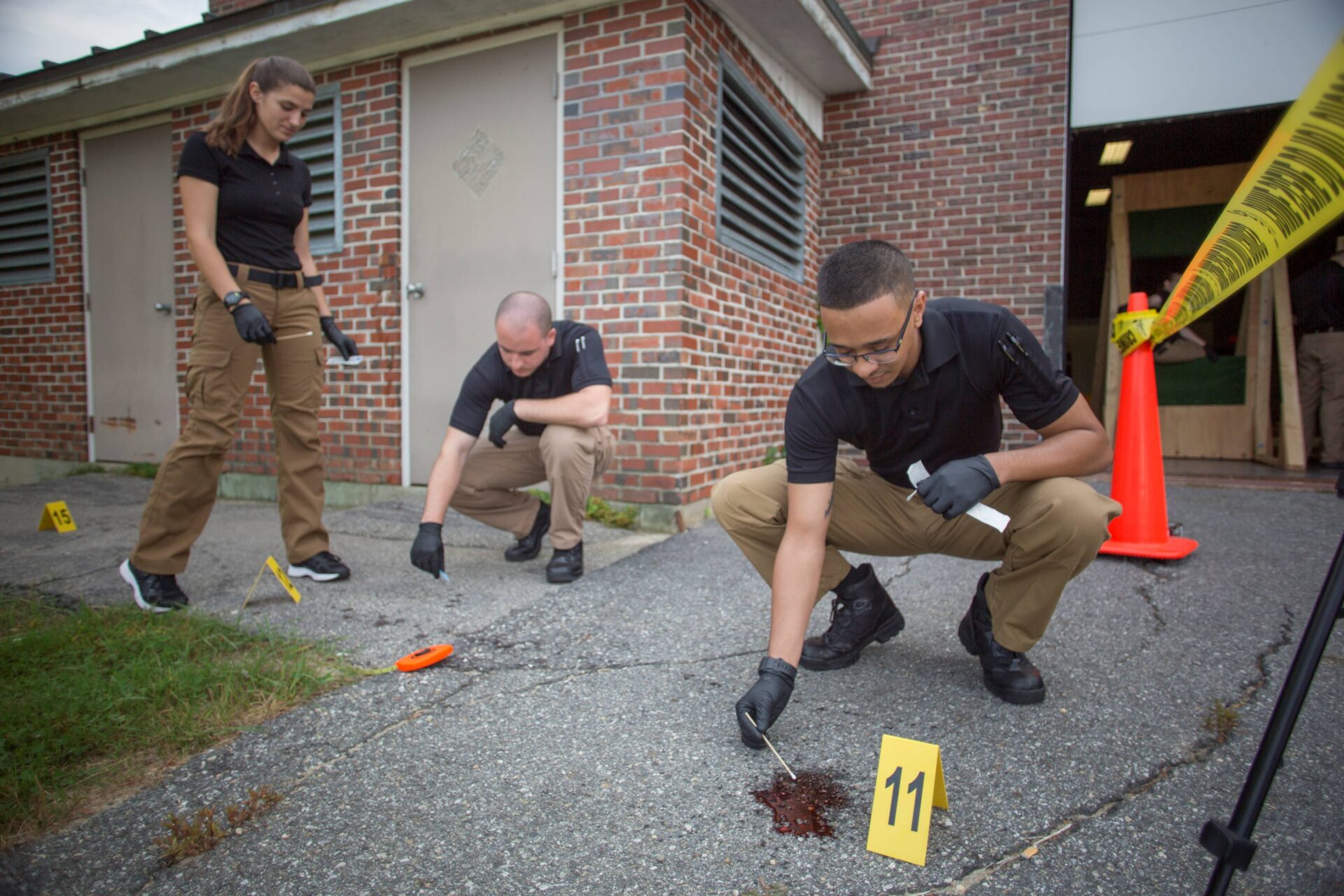
The Conservation Law Enforcement program combines criminal justice and environmental science to prepare you for careers protecting natural resources. Students develop skills in law enforcement, investigation, and conservation while gaining knowledge of wildlife management and environmental systems.
Law Enforcement & Investigation
- CRJ 101 Introduction to Criminal Justice
- CRJ 122 Criminal Law & Report Writing I
- CRJ 212 Criminal Investigation & Report Writing II
- CRJ 231 Death Investigations
Conservation & Wildlife Management
- BIO 110/111 Fundamentals of Environmental Science (lecture & lab)
- CNL 120 Introduction to Conservation Law
- CNL 150 Principles of Fish & Wildlife Management
Field Operations & Applied Skills
- CNL 240 Conservation Operations
- CNL 260 Conservation Operations II
- CRJ 250 Criminalistics
- CRJ 201 Civil Liberties
Continue the Journey
Where Graduates Transfer
Graduates of the Conservation Law Enforcement program often transfer to four-year institutions to pursue bachelor’s degrees in criminal justice, environmental science, and related fields, while others enter the workforce in conservation law enforcement and natural resource protection roles.




Got Questions?
Frequently Asked Questions
What is the focus of the Conservation Law Enforcement program?
The program prepares students for careers that combine law enforcement with the protection of natural resources. Students study criminal justice, environmental law, and wildlife management while developing the skills needed to enforce laws and manage public lands and resources.
What careers can this program lead to?
Graduates are prepared for roles such as conservation law officer, fish and game warden, park ranger, and positions with state or federal land management agencies. Some students also pursue related careers in environmental compliance or natural resource management.
What is the learning environment like in this program?
This program includes a mix of classroom learning and applied coursework focused on real-world law enforcement and conservation scenarios. Students should be prepared for field-based work and outdoor environments as part of their training and future careers.
What is the difference between the certificate and the associate degree?
The one-year certificate provides foundational coursework in conservation law enforcement and allows students to begin building skills or entering the field. The associate degree expands on this foundation with additional coursework and training, preparing students for a wider range of career opportunities or transfer to a four-year institution.


Your Future at CMCC
Take the Next Step